Dental Crowns Recovery and Aftercare
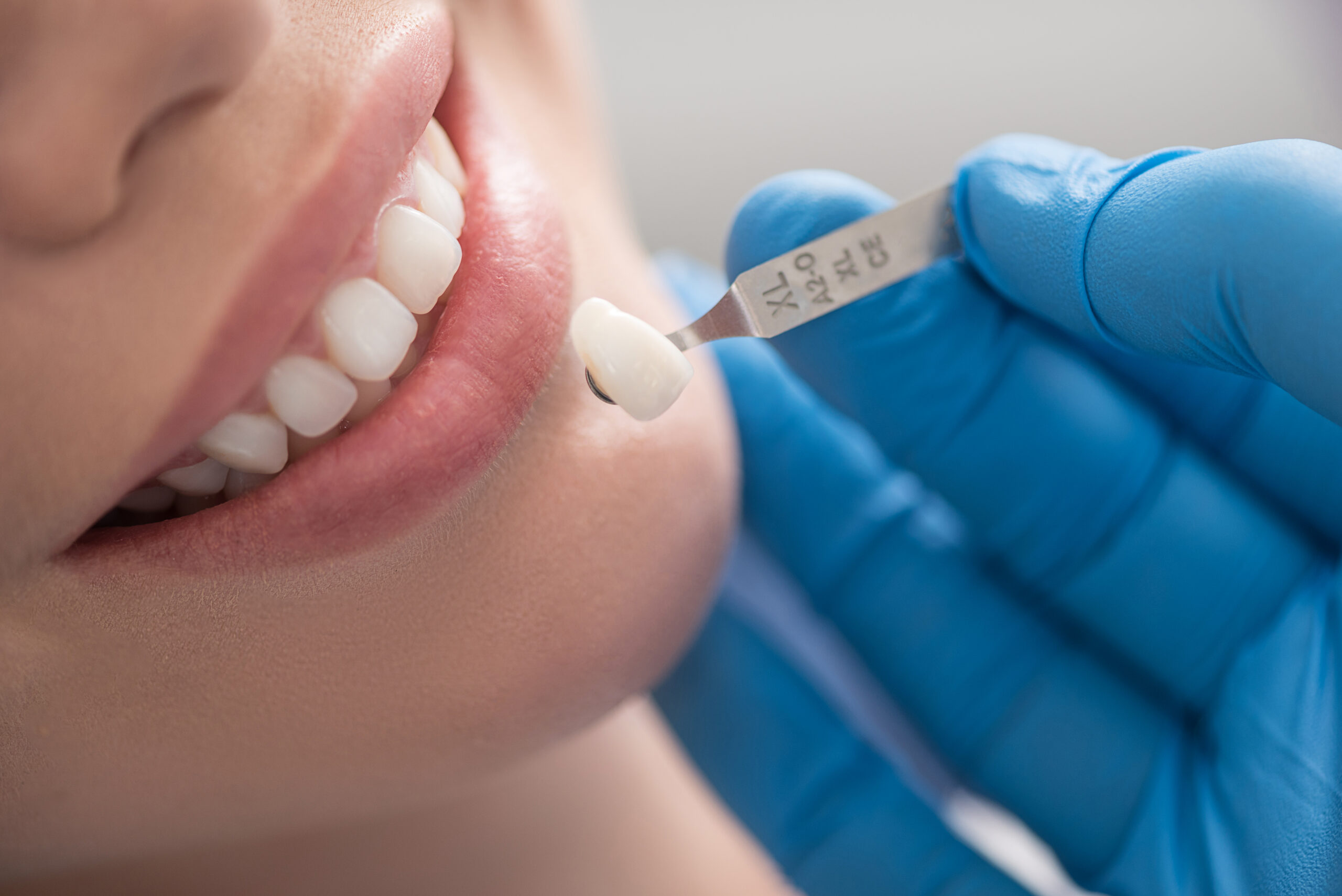
Understanding dental crown recovery and aftercare is one of the most important steps you can take before committing to the procedure. Recovery is a valid concern, and at Grand Street Dental in Williamsburg, Brooklyn, we believe in honest, clear guidance. Most patients find that modern crown placement is more manageable than they anticipated, but knowing what to expect week by week makes the experience significantly smoother. This guide walks you through the full recovery timeline, practical aftercare tips, and the signs that warrant a call to our office.
What to Expect in the First Week After Your Dental Crown
The First 24 to 48 Hours
Immediately following crown placement, it is normal to experience some tenderness around the treated tooth and in the surrounding gum tissue. Mild swelling and temperature sensitivity are also common during this window. If a local anesthetic was used, numbness may linger for several hours, so most patients are advised to avoid eating until full sensation returns to prevent accidental biting of the cheek or tongue.
During the first 24 to 48 hours, dental crown recovery and aftercare centers on protecting the area from unnecessary stress. Avoid hard, sticky, crunchy, or extremely hot or cold foods. Chewing on the opposite side of the mouth is typically recommended. Over-the-counter pain relievers, as directed by your provider, are generally sufficient for managing mild discomfort during this phase. Strenuous physical activity is best postponed for at least 24 hours.
Days 3 Through 7
For most patients, noticeable improvement begins around day three. Sensitivity and tenderness typically decrease, and returning to a largely normal diet of softer foods becomes more comfortable. By the end of the first week, most patients are managing daily responsibilities without significant disruption. A temporary crown, if placed while a permanent restoration is being crafted, requires particular care: avoid flossing aggressively around it and continue favoring the opposite side when chewing. Your provider will advise you on the timing of your follow-up appointment, which often coincides with the placement of a permanent crown.
Weeks 2 Through 4 and Long-Term Crown Care
By the start of the second week, most patients report that their dental crowns recovery and aftercare routine has become second nature. Sensitivity around the crown continues to diminish, and the bite typically feels more natural. If your bite felt slightly uneven in the first few days, this is common and often resolves on its own as the surrounding tissue settles. If it persists, your provider can make a simple adjustment at your follow-up visit.
Social and professional activities are typically resumed without issue by the end of week two for most patients. More vigorous exercise, if paused, can generally be gradually reintroduced during this period, guided by your provider’s specific recommendations.
By weeks three and four, the crown should feel indistinguishable from your natural teeth for most patients.
Tips for a Smooth Dental Crowns Recovery and Aftercare Routine
- Prepare your kitchen before your appointment. Stock soft, easy-to-chew foods such as yogurt, mashed vegetables, eggs, and soup, so you are not making meal decisions while managing early tenderness.
- Avoid sticky and hard foods for at least two weeks. Caramel, hard candies, ice chewing, and crusty bread can place undue stress on a new crown or dislodge a temporary restoration.
- Maintain your oral hygiene routine with care. Brushing gently twice daily and flossing carefully around the crown site supports healing and protects the surrounding gum tissue. Ask your provider about recommended flossing technique near the crown margin.
- Be mindful of grinding or clenching. If you have a history of bruxism, speak with your provider about a custom night guard, which may help protect your new restoration during sleep.
- Attend your scheduled follow-up. This appointment confirms proper fit, bite alignment, and tissue health, and it is an important part of a complete dental crown recovery and aftercare plan.
- Stay consistent with routine dental visits. Regular dental exams and cleanings help extend the longevity of your crown and keep the surrounding teeth and gum tissue healthy.
When to Contact Our Office
Most patients move through dental crowns recovery and aftercare without complications. That said, certain signs warrant a prompt call to Grand Street Dental:
- Persistent or worsening pain beyond the first several days, rather than gradual improvement
- Swelling that increases after the first 48 hours
- A bite that feels noticeably off or uneven after the first week
- The crown feeling loose or shifting
- Sensitivity that intensifies rather than resolves over time
- Any signs of infection, including fever, significant swelling, or discharge near the site
These symptoms are not cause for alarm in isolation, but they are worth discussing with your provider promptly. Early communication supports the best outcomes.
Frequently Asked Questions About Dental Crowns Recovery and Aftercare
How long does dental crown recovery typically take?
For most patients, the initial sensitivity and tenderness associated with dental crown recovery and aftercare resolve within one to two weeks. Many patients feel largely comfortable within a few days. The crown itself may take a few additional weeks to feel completely natural as the surrounding tissue settles and the bite adjusts. Individual recovery timelines vary based on the complexity of the procedure and the patient’s overall oral health.
How can I manage discomfort during recovery?
Mild discomfort following crown placement is common and typically manageable with over-the-counter pain relievers as directed by your provider. Avoiding extreme temperatures in food and drink, chewing on the opposite side, and maintaining a soft diet during the first several days can also reduce irritation. If discomfort is significant or worsening rather than improving, contact your dental provider for guidance.
When can I return to normal eating habits after a dental crown?
Most patients can gradually reintroduce a broader range of foods within 1 to 2 weeks after receiving their permanent crown. Sticky, hard, and crunchy foods are typically best avoided for at least two weeks as part of a careful dental crown recovery and aftercare approach. Your provider will give you specific guidance based on your individual case, including any considerations related to a temporary crown if one was placed during the interim period.
When will my final results be visible?
The crown itself is immediately visible once placed, but the final, settled appearance is typically apparent within two to four weeks as the gum tissue adjusts and the bite normalizes. At Grand Street Dental, our restorations are crafted in collaboration with a master ceramist, ensuring the final result complements the natural color, shape, and proportion of your smile.
Do I need to do anything special to care for a crown long-term?
Long-term dental crown recovery and aftercare involves the same habits that support overall oral health: brushing twice daily, flossing with care around the crown margin, and attending regular professional cleanings and exams. Patients who grind or clench their teeth may benefit from a custom night guard to protect the restoration. Avoiding habits such as ice chewing or using your teeth to open packaging also helps extend the life of your crown.
Schedule Your Dental Crown Consultation in Brooklyn, NY
If you are considering a dental crown and want to understand exactly what recovery and aftercare will look like for your specific situation, the team at Grand Street Dental in Williamsburg, Brooklyn is here to walk you through it. Complete the online contact form to schedule a consultation and get answers tailored to you. We look forward to welcoming you.



.svg)