Follow us on Instagram








What to expect
What Is Cosmetic Bonding?
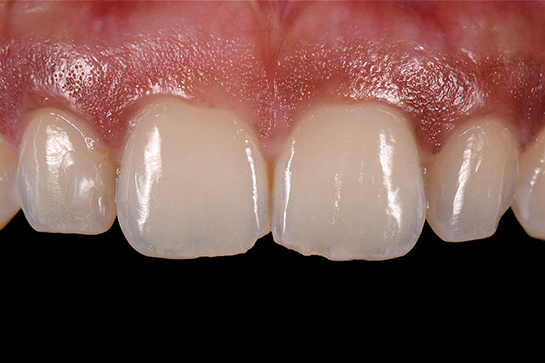
Cosmetic bonding uses white (tooth colored) composite to recontour, re-enhance, and restore front teeth. These materials have come a long way. With dozens of shades and hues to choose from, cosmetic composites can mimic the lifelike appearance of natural teeth while keeping treatment conservative, meaning that most of the time, reduction of healthy tooth structure is not necessary.
Teeth are not just white. They are combinations of many, many different colors, and bonding gives us the ability to layer those colors by hand, right in the chair.

What Cosmetic Bonding Can Fix
Close Small Gaps
Narrow spaces between the front teeth can be closed by adding composite to the adjacent surfaces, widening the teeth just enough to bring them into balance with one another.
Repair Small Chips
Chipped corners and worn edges are rebuilt and blended into the surrounding enamel so the repair disappears into the tooth.
Hide Erosion Spots
Areas of erosion, notching, and surface discoloration can be covered and smoothed over with composite.
Reshape Worn or Uneven Teeth
When teeth have been shortened or flattened by grinding, bonding can restore length and symmetry to the smile.
What to Expect During Your Cosmetic Bonding Visit
Cosmetic bonding is typically completed in a single appointment at our Williamsburg, Brooklyn office. Here is how the visit goes.
Photos, Measurements, and Smile Design
Photos are taken before we start so we can assess color and shape and talk through your goals together. If we are working toward a cosmetic enhancement rather than a simple repair, we will also take measurements of your teeth and discuss shape, proportion, and harmony with the rest of your face. This planning step is what separates a bonding that looks natural from one that looks patched.
Shade Selection and Tooth Preparation
Anesthesia is not always necessary for bonding, but it can be administered if you prefer it. Slight beveling of the tooth is performed to soften the transition of color from the composite to the enamel, which prevents a sharp, visible line where the two meet.
Layering the Composite
Most of the time a combination of different composites will be used to create a harmony of shades, translucency, and natural appearance. Layering is done incrementally and each layer is cured before the next one is placed, which is how depth and lifelike character are built into the final result.
Contouring, Bite Check, and Polishing
Once the composite is applied, it is contoured to shape and adjusted to your bite so the new surfaces function comfortably against your opposing teeth. A series of polishers is then used to bring the composite to a lifelike luster that matches the natural sheen of the enamel around it.
Leaving the Office
You will be able to eat and drink normally on the way out, with one caveat. In cases where a broken front tooth has been rebuilt, care must be taken with eating so the composite does not break again. We will walk you through exactly what to be mindful of before you go.
Caring for Your Cosmetic Bonding
Everyday Habits
Composite is strong, but it is not enamel. Biting into hard foods, chewing ice, opening packaging with your teeth, or nail biting can chip a bonded edge. Brushing, flossing, and regular hygiene visits keep the margins clean and the color stable.
Nightguards for Grinding
If cosmetic bonding is performed because of lost tooth structure from grinding, a nightguard will be recommended to be worn nightly. Without one, the same forces that wore down your natural teeth will go to work on the new composite.
How Long Does Cosmetic Bonding Last?
Composite bondings can last for years if care is taken and upkeep is performed. Your home care and your bite will largely determine longevity. Bonding can also be repaired, touched up, or repolished over time rather than needing to be redone from scratch, which is part of what makes it such a practical option.
Cosmetic Bonding or Veneers?
Bonding is the more conservative and more reversible of the two. It is usually completed in one visit, generally requires little to no removal of tooth structure, and can be adjusted later. Porcelain veneers cost more and involve more preparation of the tooth, but they resist staining and wear better over the long term and can correct larger changes in shape and color. For small chips, minor gaps, and localized flaws, bonding is often the smarter starting point. We are happy to walk you through both so you can decide with a full picture.
Schedule a Cosmetic Bonding Consultation
If a chipped tooth, a small gap, or a worn edge has been bothering you, we would love to take a look. Contact Grand Street Dental in Williamsburg, Brooklyn to schedule your cosmetic bonding consultation.


.svg)