Am I a Good Candidate for Dental Bridges in Brooklyn, New York
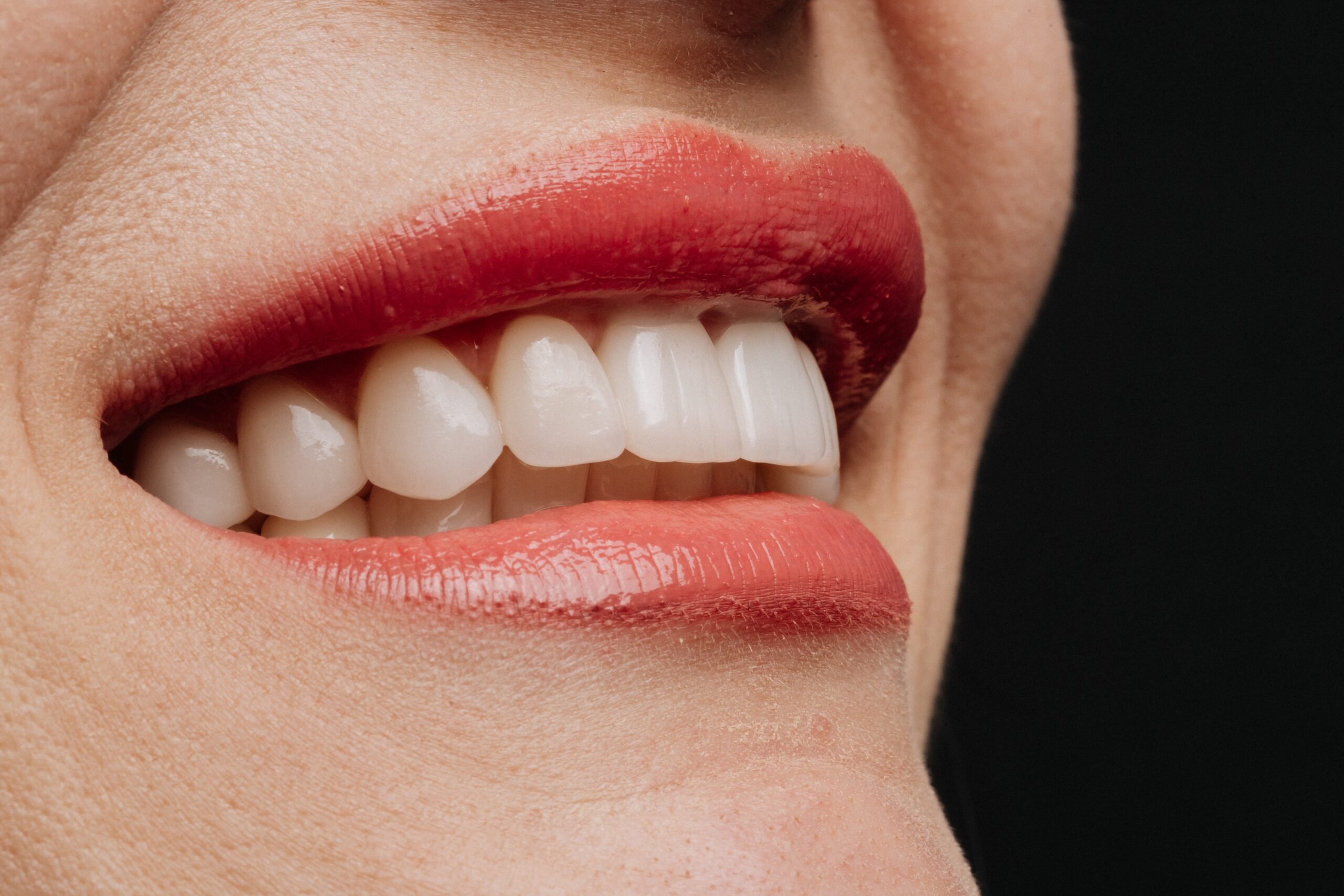
Dental bridges are a trusted solution for replacing missing teeth, but the right treatment depends on several individual factors, including the health of your surrounding teeth, the condition of your jawbone, and your overall treatment goals. The team at Grand Street Dental walks you through what makes someone a strong candidate for dental bridge treatment so you can approach your consultation informed and confident. For a personalized evaluation, contact us to request a consultation.
What Makes Someone a Good Candidate for Dental Bridges?
Dental bridges are designed to replace one or more missing teeth by anchoring an artificial tooth to neighboring teeth or dental implants. While many patients qualify for bridge treatment, candidacy depends on the overall health and stability of your smile.
You Have One or More Missing Teeth
The most obvious qualification for a dental bridge is having one or more missing teeth. Whether you’ve lost a tooth due to decay, trauma, gum disease, or extraction, a bridge may help restore both appearance and function. Replacing missing teeth is important not only for aesthetics but also for maintaining bite alignment, chewing ability, and facial structure over time.
Your Adjacent Teeth Are Healthy
Traditional dental bridges rely on neighboring teeth, called abutment teeth, for support. These teeth must be healthy and strong enough to anchor the restoration. If the surrounding teeth have significant decay, gum disease, or structural damage, additional treatment may be needed before bridge placement.
At Grand Street Dental, we carefully evaluate the condition of your remaining teeth to determine whether a traditional fixed bridge is appropriate or another tooth-replacement option better serves your needs.
You Have Good Gum Health
Healthy gums provide the foundation for successful restorative dentistry. Patients with untreated periodontal disease may need gum therapy before proceeding with a dental bridge. Strong gum health helps support both the bridge itself and the surrounding teeth in the long term.
Your Jawbone and Oral Structures Are Stable
For patients considering implant-supported bridges, adequate bone density is essential. If bone loss has occurred after tooth loss, bone grafting may be recommended before implant surgery. During your consultation, our team evaluates your jawbone, bite alignment, and overall oral health to determine which types of dental bridges are most appropriate for your anatomy.
You Want a Non-Removable Tooth Replacement
Many patients choose fixed dental bridges because they offer a non-removable alternative to partial dentures. Bridges are designed to look, feel, and function similarly to natural teeth, allowing patients to eat, speak, and smile more comfortably and confidently.
Who May Need Additional Treatment Before a Dental Bridge?
Some patients are excellent candidates for dental bridges, but require preparatory dental procedures first. These may include:
- Treatment for gum disease
- Root canal therapy on abutment teeth
- Tooth extractions
- Bone grafting before implant surgery
- Bite adjustment or restorative care
Addressing these issues first helps create a healthier, more stable foundation for your restoration and improves long-term outcomes.
Why Personalized Evaluation Matters
Two patients with similar tooth loss may need very different treatment plans. One patient may qualify immediately for a traditional bridge, while another may benefit more from an implant-supported bridge or dental implants. Your dental history, bite dynamics, bone health, and aesthetic goals all play a role in determining candidacy.
Dr. Jennifer Plotnick brings more than 17 years of private practice experience, advanced training through the Spear Institute, and an artist’s eye for restorative dentistry to every treatment plan she designs. Rather than offering a one-size-fits-all solution, she thoroughly evaluates each patient and creates a personalized approach tailored to function, longevity, and appearance.
Benefits of Replacing Missing Teeth With Dental Bridges
For qualified candidates, dental bridges may offer several important benefits:
- Restore your smile and facial balance
- Improve chewing and speaking ability
- Prevent neighboring teeth from shifting
- Support bite alignment
- Provide a natural-looking restoration
- Offer a fixed, non-removable solution
- Help maintain long-term oral health
Replacing missing teeth promptly can also reduce future complications involving surrounding teeth and jaw structures.
Alternatives to Dental Bridges
While dental bridges are an excellent option for many patients, they are not the only tooth-replacement option available. Depending on your needs, we may also discuss:
- Dental implants
- Implant-supported restorations
- Partial dentures
- Full-mouth restorative options
Our goal is to help you understand all relevant options so you can make a confident, informed decision about your care.
What to Expect During Your Consultation
Your consultation at Grand Street Dental is designed to be informative, collaborative, and completely pressure-free. During your visit, Dr. Plotnick or one of our doctors will carefully evaluate your missing teeth, surrounding teeth, gum health, and jawbone structure to determine whether a dental bridge is the right solution for your needs. We’ll also take time to discuss your goals, concerns, and overall oral health before reviewing which bridge options may work best for your specific case.
If any preparatory procedures, such as gum treatment, restorative care, or implant preparation, are recommended, we’ll explain each step clearly so you understand exactly what to expect. By the end of your consultation, you’ll leave with a personalized treatment plan and a clear understanding of your candidacy, your available options, and the treatment process moving forward.
Frequently Asked Questions About Dental Bridge Candidates in Brooklyn
Who is a good candidate for a dental bridge?
Most patients missing one or more teeth may qualify for a dental bridge if they have healthy surrounding teeth and good overall oral health. The best way to determine candidacy is through a personalized consultation and examination.
Can I get a dental bridge if I have gum disease?
Possibly, but gum disease usually needs to be treated first. Healthy gums are important for supporting the bridge and the surrounding teeth in the long term.
Are dental bridges better than partial dentures?
Dental bridges are fixed restorations, while partial dentures are removable. Many patients prefer bridges because they feel more stable and natural, though the right option depends on your anatomy, oral health, and goals.
Can dental implants and bridges work together?
Yes, implant-supported bridges use dental implants rather than natural teeth for support. This option may be recommended for patients who are missing multiple teeth or who lack healthy adjacent teeth.
How long do dental bridges last?
With proper care and regular dental visits, dental bridges can last many years. Good oral hygiene and protecting the health of your abutment teeth are important for longevity.
What if my adjacent teeth aren’t healthy enough?
If neighboring teeth are weakened or damaged, you may need restorative treatment first, or another tooth replacement option may be more appropriate. We’ll evaluate this during your consultation.
Is age a factor in dental bridge candidacy?
Not necessarily. Overall oral health, gum condition, and bone support matter far more than age alone when determining dental bridge candidacy.
Schedule Your Dental Bridge Consultation in Brooklyn
If you’re wondering whether you’re a good candidate for dental bridges in Brooklyn, New York, the best next step is a one-on-one consultation with our team. At Grand Street Dental, Dr. Jennifer Plotnick and our doctors combine advanced clinical expertise with a highly personalized approach to restorative dentistry. We’ll evaluate your oral health, discuss your tooth-replacement options, and create a treatment plan tailored to your smile. Contact Grand Street Dental to schedule your consultation today.



.svg)